
23/02/2016
Religious faith in Kerala became more deep-rooted in the past couple of decades in line with new lifestyles, more and more nuclear families and surging wealth. As uncertainties in life increased (will I have my job tomorrow?), liabilities became heavier (how to pay my home and car loans?) and family links became weaker, people increasingly turn to God for salvation. On the other hand, those who have amassed significant fortunes too seek the almighty’s blessings to preserve and proliferate their wealth.
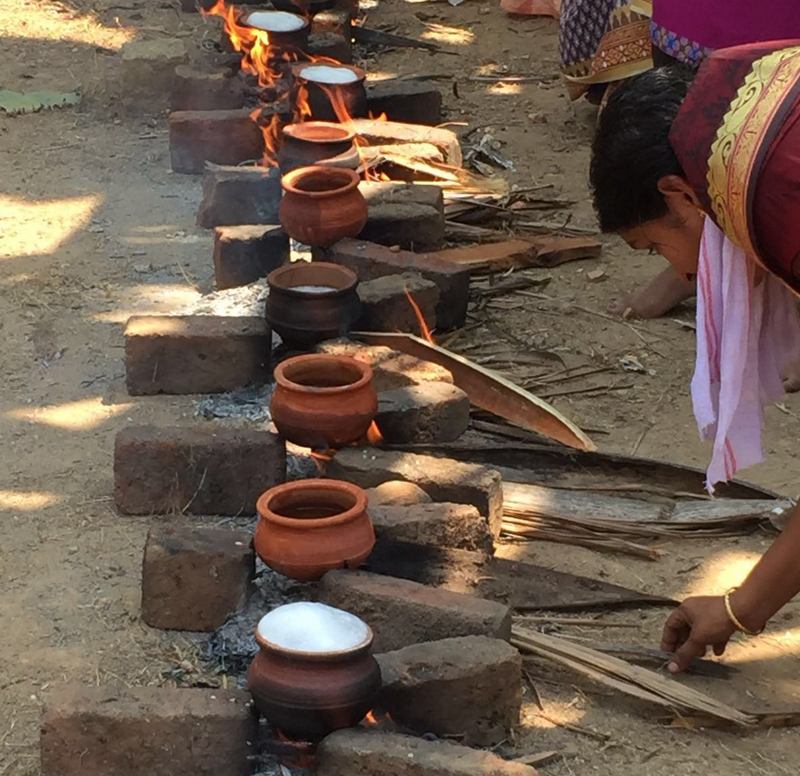
The rise of Attukal temple in Thiruvananthapuram as one of the most prominent places of Hindu worship in south India happened during this period, in a way underscoring the significant changes that took place in the state’s socio-economic fabric. The annual Pongala festival of the temple, taking place today, attracts more than three million women to the city, making it the world’s largest religious congregation of women. The interesting facets of the temple, its rituals and history have now become a book, 'Attukal Amma, The Goddess of Millions' by Lekshmy Rajeev. (Publishers: HarperCollins India.)
The book seeks to shatter many a myth associated with the temple, including the most prominent legend that the deity is of Kannaki, the Tamil woman who forms the main character of the epic Silapathikaram. Lekshmy says the legend behind Attukal temple is older than Silapathikaram, and the similarities between the two may have led to the belief that the deity at Attukal is Kannaki. ``The temple authorities too propagated this view as it was more convenient for them,’’ says Lekshmy, who took four years to write the book.
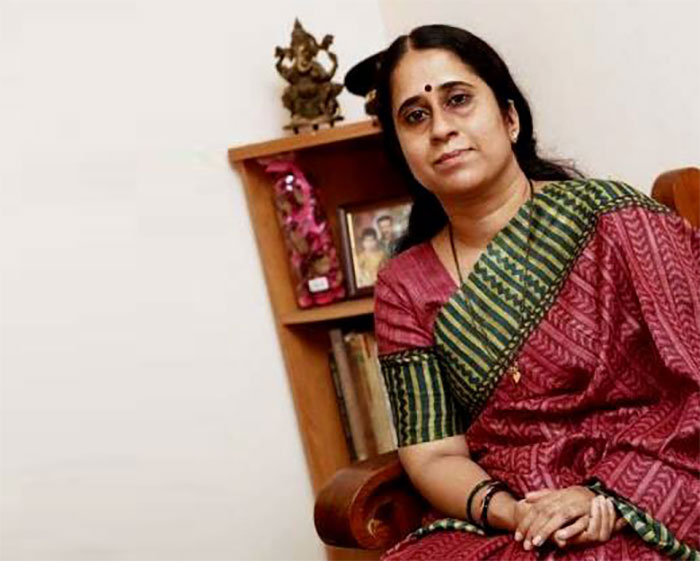
Lekshmy Rajeev
Attukal temple used to be a so-called 'mudipura,' or the aboard of the Bhadrakali’s 'mudi' or crown, she says. The lower-caste laborers worshipped the Goddess after harvest at this `mudipura,’ and Pongala was their annual offering of cooked rice, a prayer to the Goddess, to ensure that they get at least one a meal a day through the year. ``So the Goddess at Attukal was essentially a non-brahminical deity,’’ Lekshmy says, pointing to the fact that in the past, the temple had rituals such as animal sacrifices. The temple began to rise in prominence after a group of people belonging to the Nair community at Attukal formed a trust to run it, Lekshmy says. Today, there are 87 members in the trust that handles the administration of the temple, one of the richest in Kerala.
The multi-layered, interdisciplinary narrative of the book ''brings together social and cultural history and feminist insights to trace the evolution and discover the significance of a women's annual ritual,'' according to writer K. Satchidanandan. ''Written in a seductive style with the heart of a poet-devotee, the book explores the connections among women's psyche, religious archetypes and empowering rituals.''
Lekshmy, 43, says she began working on the book after going to the temple to deal with her own ''existential fears and worries about life.'' ''I have been in a frenzied state of mind in these four years that I took to write the book. I didn’t have time for anything, as I just surrendered before Her (the Goddess),'' she says. ''This book is all about Her.''
The popularity of the Attukal Pongala has spurred so many other temples to come up with their own versions of the ritual. ''It’s ridiculous to see even Ganesha and Hanuman temples offering Pongala. Pongala is offered only for Goddesses,'' Lekshmy says. ''Faith is easily sold these days, like fast food.''